I met Dakota McKenzie as he was raising some outside capital to invest in startups. He had already been working closely with many excellent teams, assisting them on growth strategies, and the ability to support them with some additional skin in the game made sense. Turns out Dakota had even advised a Homebrew-backed founder recently so it felt natural that we stay in touch. A recent coffee conversation made me think perhaps some of what he believes was worth sharing more broadly, so here are Five Questions.
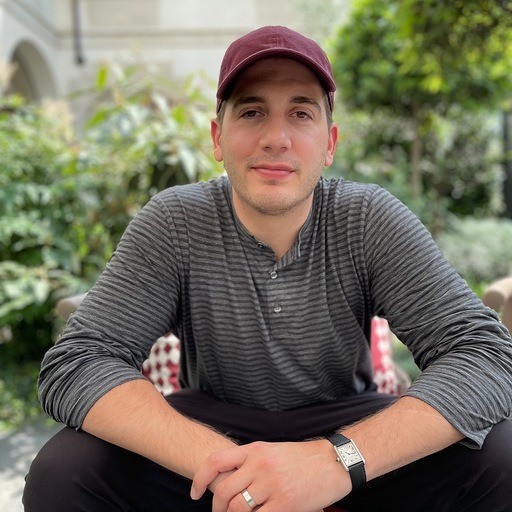
Hunter Walk: Explain what Dynamic Growth does and what led you to this model?
Dakota McKenzie: Dynamic has a hands-on operating model that is unique because of how Dynamic Growth Partners and Dynamic Fund work together. We partner with exceptional technical Founders, who are often engineers and researchers with backgrounds of building, researching, or contributing to projects and products that make enormous impact. We get to work alongside many of these Founders, which gives us a unique way to observe and assess how companies operate that are difficult to discern in a pitch meeting: the quality of their decisions, how quickly they learn, whether they take responsibility, and their willingness to put in the work to build something enduring.
Much of this philosophy comes from how I grew up. I was raised around hardworking blue-collar people, started businesses of my own, and worked more than 40 hours a week for small business owners while still in high school. Those experiences shaped what I value in founders: people who take ownership, put in the work, and are committed to building something enduring rather than expecting others to do it for them. I eventually found my way to Sumo Logic, Segment, and Databricks, where I worked alongside exceptional founders and technical talent. What fascinated me most was how the best engineers and researchers build for the love of the game. They’re obsessed with solving hard problems and want to see what they’ve created adopted as widely as possible. It’s something I have tremendous respect for and have experienced it for years of being in the bay area. I’m of course not the person building the underlying technology, but I’ve developed a pretty good instinct for recognizing said talent and helping them turn what they’ve built into successful businesses. At Dynamic, we believe the “technical win” should come before the commercial one. Our job is to help founders capitalize on customer love, grow adoption, and eventually develop the commercial capabilities to scale. I used to jump in and do much of that work myself, until I realized I was becoming a crutch. Now I joke that we’re trying to “get fired out of the job,” which often makes us an excellent long-term partner.
Dynamic Fund originated from this. Through our relationships, I kept meeting founders I had an incredible amount of conviction in well before most wanted to invest or help, and I wanted to back them with more capital than I personally had available. Our conviction and alignment starts early, and we “obsess over your business” to always have the most relevant context on how you are building your company and where we can best support regardless of the scenario. We’ve helped Founders reach their first million in revenue and still get calls when they’re doing tens or even hundreds of millions. I don’t really see operating and investing as separate activities. They’re both ways of partnering with exceptional people we love to work with, and the fund lets us double down on the people we’ve developed the deepest belief in.
HW: When you’re working with technical founders on commercialization, what are some blind spots they tend to have that you need to work through?
DMcK: This is how we earn trust early. We work alongside Founders on the commercial decisions that matter most in a point-in-time scenario, but learn how those considerations impact the longer-term decisions and developments of the business. One of the common blind spots teams encounter is getting “happy ears” when they hear customer enthusiasm and mistake it for commercial progress. A big logo agreeing to a meeting or getting excited about the technology doesn’t necessarily mean there’s a deal. We help founders establish a clear technical win, understand how customers actually make purchasing decisions, and translate technical success into commercial value. A great product might earn you the meeting, but it doesn’t close the deal. Technical founders are often obsessed with showcasing capabilities, which is exactly what you want. But even the best technology won’t achieve widespread adoption if its value isn’t legible to both technologists and buyers.
Another common mistake is they hire executives to solve problems they haven’t figured out themselves, often under pressure from external parties.I don’t believe technical Founders need to become career salespeople, however the CEO has signed up to build a company and must have a first-hand understanding of how each function operates. The best time to hire is when selling starts to feel monotonous and repeatable, and the opportunity exceeds what you can execute yourself. That’s when an exceptional executive can accelerate growth rather than figure out what they’re supposed to scale. Our job is to help Founders develop that judgment, not become dependent on us.
A million-dollar customer isn’t necessarily product-market fit. Large contracts can create the illusion of traction without proving repeatability. The question is whether the customer is accelerating adoption of your core technology or turning you into a services business. I’ve encouraged founders to walk away from significant deals when winning would mean rebuilding the product around requirements they never intended to support. I wrote more about how I think about that here. These are the kinds of decisions where we can make a meaningful difference early, build lasting trust, and earn the opportunity to support Founders over the long term.
HW: Have you ever had to fire a client/someone you were advising? Why?
DMcK: We’ve never really had to “fire” a client in the traditional sense, but we have ended engagements early. We’re pretty selective about who we work with, and a major disqualifier for us is a Founder who wants to outsource GTM rather than learning how to commercialize what they’ve built. We’re not an agency, and our goal isn’t to do the work on a Founder’s behalf. You have to want to learn and do the work yourself!
It’s important to distinguish between Founders we work with and those we invest in. Just because we can help a Founder build their GTM successfully, doesn’t necessarily mean it’s a company we’d invest in. Working alongside Founders gives us the opportunity to have similar observations I’ve shared before: how Founders make decisions, respond to feedback, and take accountability for building GTM. This lens sometimes calibrates our investment conviction, other times it doesn’t. We will often find a way to help a Founder interested in becoming elite but doesn’t expect us to do the work for them.
HW: Why combine a venture fund with your existing business model?
DMcK: I don’t think of it as “combining”. The way I spend my day is largely the same whether we invest or not. We’re finding the best Founders possible, working alongside them, and helping them build a successful company. What’s great is now when we have true conviction in a company that aligns to our thesis, we now have the capital to act on it. The fund doesn’t fundamentally change the model.
Practically speaking, there’s a real advantage to this model. By the time we’re considering an investment, Founders already have a very clear understanding of what we’re capable of contributing because of the work we’ve done (see our portfolio for proof!)
The coolest part of this work is seeing what these companies become so quickly. I remember sitting with a founder in their first office, working through ideas on an Etch A Sketch because they didn’t even have a whiteboard. A few years later, they were occupying multiple floors in Chelsea, with a whole team building something they genuinely loved. There’s something pretty special about being a part of this journey from the beginning. The fund gives us the opportunity to participate in that long-term success, while continuing to contribute the same ways we initially earned the trust and relationship in the first place.
HW: If founders are trying to get smart on growth, what are three pieces of content you suggest they read/follow?
DMcK: First, a shameless plug for our own writing. We spend a lot of time thinking about how technical products actually get adopted and sold, and we try to share what we’re learning. Our writing is intended for Founders navigating those challenges and how to apply them with evergreen perspectives. Our latest piece is on Gates & Boundaries for Sales and FDE Motions, explores an area I think a lot of technical founders are navigating right now.
Second, Pipeline Cures All. I may be biased since I worked under the leadership of both Joe Morrisey and Ron Gabrisko in my career, but this is a very practical guide to building a repeatable pipeline generation process. I share this piece often.
Third, this is a nice primer on earning developer trust, creating useful content, and building adoption without traditional tactics by Lee Robinson. It’ll send you down some good rabbit holes.
Bonus (since it’s a book), I think Power Base Selling materially makes you better at sales and navigating corporate decision making processes. Ali mentions it in the clip in the link.
Thanks Dakota!
Hear why I think venture capital stopped thinking like pirates and became the navy